This past year
By the time my birthday comes around, the year is almost over too. This is my first attempt at writing a birthday reflection, so I’m not quite sure where to begin. It has been a difficult year and a happy one, but on balance, there has been more happiness than difficulty.
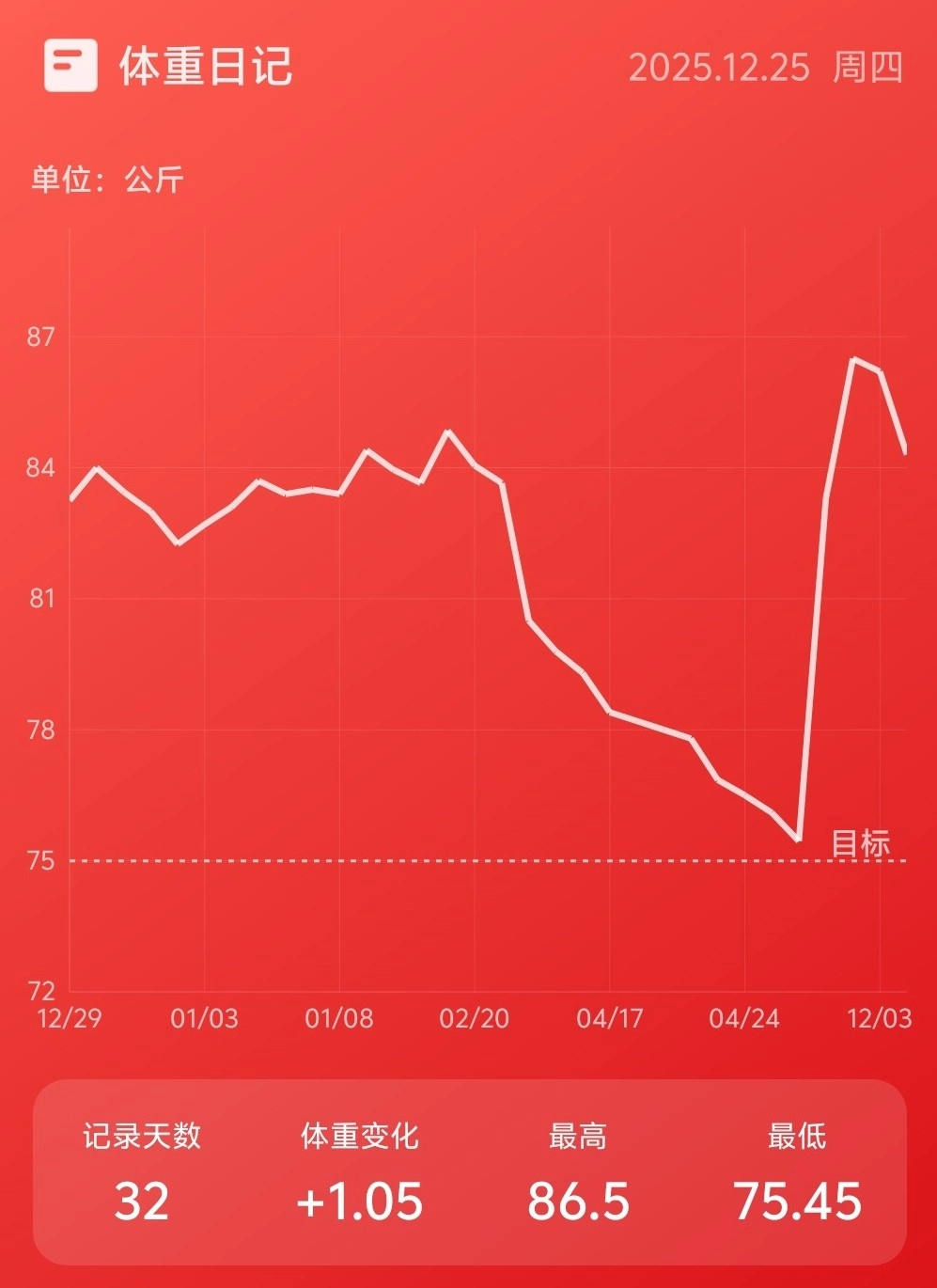
The difficult part was often getting caught up in doubt and self-doubt, usually with anxiety and unease. My weight also fluctuated by about 10 kg: I lost weight at the beginning of the year, then put it back on in the second half. These feelings came from different places, sometimes slow progress on my research, sometimes unease or frustration within myself. They would leave me anxious without knowing what to do, and that helplessness would make the anxiety worse, keeping the cycle going.
 The happy part was graduating from university and starting my master’s studies. I met wonderful teachers and senior students who looked after me. I also tried things I hadn’t explored much before: building my own blog, making videos on Bilibili, using Git to develop my own project (a small template project), and reinstalling Ubuntu and Windows on my computer for the first time, though that process had plenty of setbacks.
Along the way, I met people online whom I could learn and exchange ideas with. These were experiences I’d rarely had before. I’m now a master’s student in structural engineering who also knows a little about computer science. Research in my own field is no longer the only thing supporting my life; I have other interests to lean on too, and that makes me happy.
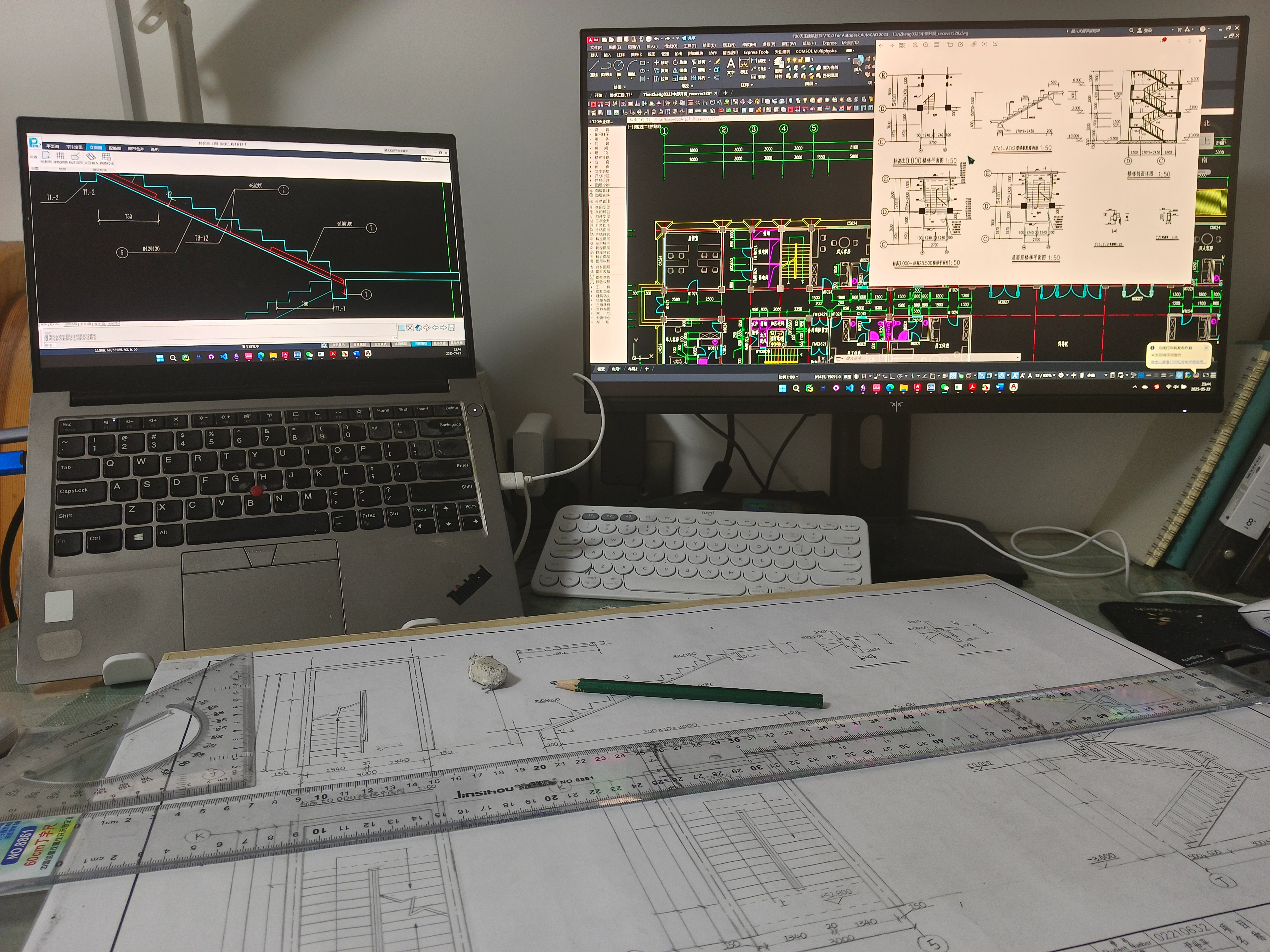
Looking back, I spent the first half of the year working on my graduation design project, which I thought was unmatched in our college (yes, I really was that confident). I would often stay alone in my room for four or five days without going out, mostly ordering takeaway and playing games when I got tired of working. Looking at it now, that routine was pretty unhealthy. We should spend more time engaging with our surroundings if we want to understand the world better. The final result didn’t quite meet my expectations: the project received a university-level distinction. Even so, I can still confidently say that our college may not see another design this complex in the next three years.
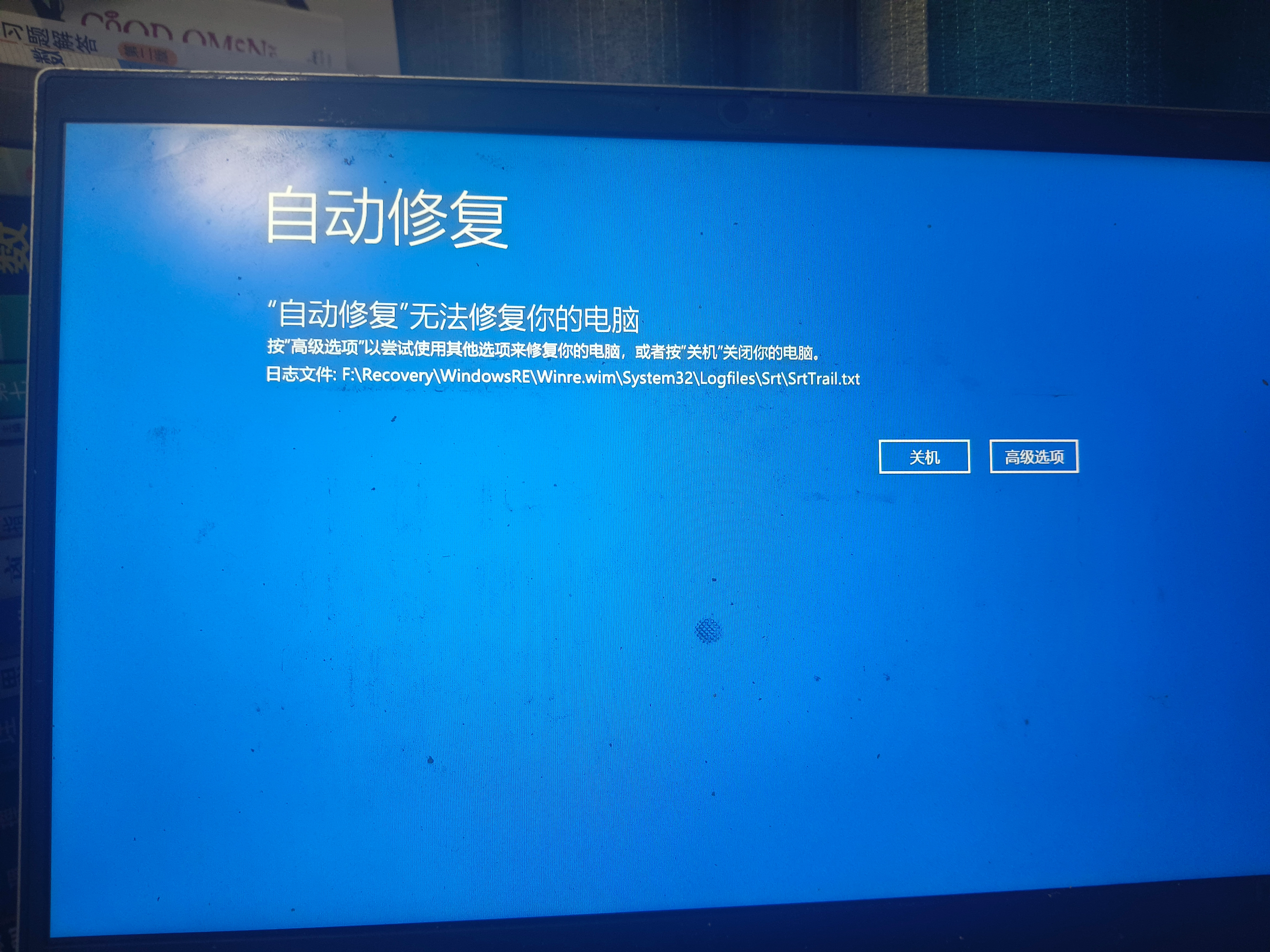
In the second half of the year, I stopped putting all my hopes into my field of study. What happened with my graduation project and the national award made me realize that ability doesn’t always determine the outcome, so I might as well set aside time for things I’d always wanted to try. I found a framework to replace my old blog with one where I could properly record what I was learning. Then I used Git to work on the template project I’d started two years earlier, and it picked up quite a few stars on GitHub. To improve it, I began learning how to write READMEs, manage semantic versions, and record tutorial videos for Bilibili. I even became interested in Linux and installed Ubuntu, only to wipe the D drive on my old computer and leave a lot of software unusable. I had to reinstall Windows afterward. Looking back, I’ve been learning through one stumble after another.
I see many impressive classmates sharing their achievements and awards on WeChat Moments or their blogs, but I’ve never felt comfortable doing that myself. So this post won’t list everything I’ve achieved. Anyone interested can look at my CV, and I don’t think I’m exceptionally good anyway; perhaps I’ve just made a lot of progress. As a first-year undergraduate, I didn’t even understand what a file path was and installed all my software on the C drive. The introductory computing course was the hardest class for me to follow. Now, when I look at the same material more calmly, I find that I understand much more and have a lot more patience with it. On QQ Space, I tend to record my low moments because they feel like the real me. Nobody can keep charging ahead, unshakable, all the time. I think it’s when we’re feeling low or uneasy that we can really see ourselves in those emotions.
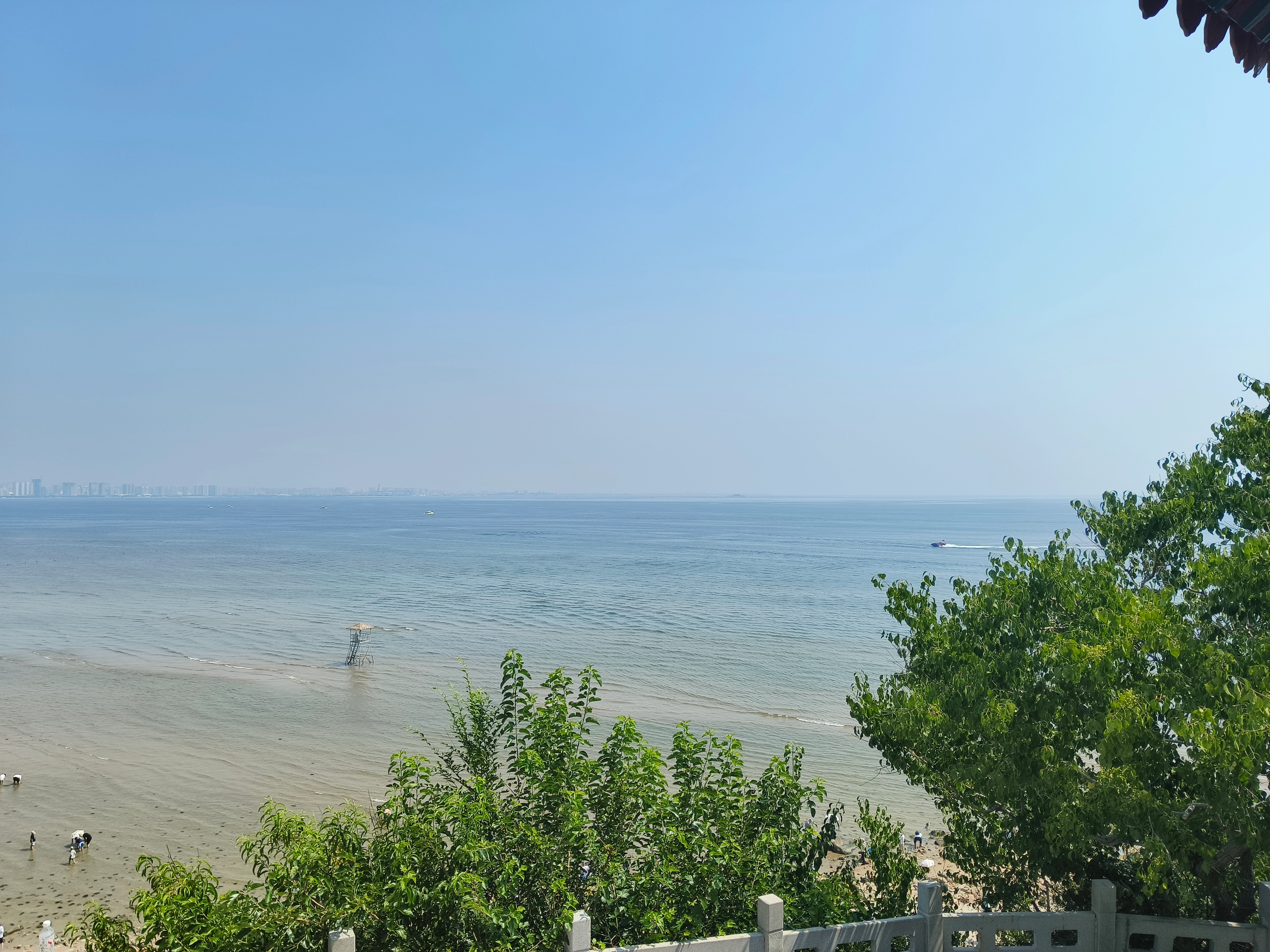
This year, I also visited Qinhuangdao and Shanhaiguan in Hebei to see the sea, and went to Nantong for a competition. Every place seems to have its own character. Since high school, I’d rarely had time to travel to other cities. Around graduation, I finally got to see the sea and taste its salty water. I hope that one day I can go to the other side of the sea and see the world over there.
Right now, I’m writing this post in Obsidian on Ubuntu, something I couldn’t have imagined two years ago. Looking back at who I was then, I might say, “He doesn’t know much, but he’s very curious. Who knows what he’ll end up doing?” I still don’t know what I’ll be doing two years from now. Maybe I’ll have learned plenty of new things and met new people.
Reflections and hopes for the coming year
Give things a try, and don’t be afraid of mistakes
In primary school, we were taught to aim for correct answers rather than solve problems blindly. We carried that lesson into adulthood, trying to stay “correct” everywhere: doing the “right” thing in our relationships, following the “right” steps in exams, and so on. We didn’t notice that these restrictions, although they helped us get results quickly, also left us with fewer chances to experiment. In engineering, that can be almost fatal. We know how to get things right, but often lack the ability to deal with things going wrong. That’s part of why even asking a question can become a problem: we struggle to describe it clearly and approach it with humility. Engineering is like learning to drive. You can study the controls beforehand, but you can’t drive by sitting in a car with a driving manual. You start by trying to press the clutch. So I hope I’ll try more things that interest me next year. If I make a mistake, I can fix it. Giving up on something interesting for fear of making mistakes is like handing in a blank exam paper because you’re afraid of getting an answer marked wrong.
Spend more time with people
“Humans are social animals.” I hadn’t thought much about that before. It was only after shutting myself away to work on my graduation project in the first half of the year that I began to see why it was true. Life may seem very quiet when you don’t interact with others, but gradually you lose touch with the world. That distance can weaken your social skills, including your ability to hold a long conversation or talk with people, and make you more withdrawn. There’s nothing wrong with being quiet or introverted. What worries me is becoming withdrawn because isolation has left me unsure how to socialize. That kind of change doesn’t help us grow.
Always believe in yourself
I remember entering the MCM/ICM two years ago. I gave it everything I had, but only received a participation award. Back then, I was proud and convinced that my work was the best and deserved the top award. Now, the award itself doesn’t seem so important, but the confidence that came from believing in my own work has stayed with me. Whether I was working on my graduation project or entering competitions afterward, I firmly believed in what I was doing. If someone doesn’t even believe in their own research, perhaps they should change direction. That belief often gives me the initiative to pursue things that are difficult but worth doing. It also helps me trust that I can work through the difficulties. Sometimes I ask myself why I’m so confident, and after thinking about it, my answer is, “If I don’t even have that much confidence, I might as well not do it.” I hope I’ll keep that belief in the coming year.
Find your own interests
Finally, a few thoughts about interests. In the second half of the year, I began to see how much they can affect a person, as I tried things that people around me might not try. Part of it was that doing something different felt interesting; part of it was that I needed these activities to take me away from my field for a while. Nobody doing research can spend their whole life on one subject or direction, or live on academic work alone. Many people around me have things they’re good at outside their profession, and those interests help make them who they are within it. Once this birthday is over, another year of my life begins. What will interest me next? I don’t know. Maybe I’ll keep trying to develop projects in the open-source community, explore data science, or make videos to share what I’ve learned. I suppose I’ll only know when next year’s birthday comes around.
Comments